
The Science of Music Therapy

 Learn at Your Pace
What the Research Says About Music Therapy
These outcomes help explain why music therapy is used in hospitals, rehabilitation programs, schools, mental health settings, hospice care, and more.
Evidence in Practice
Research Outcomes by Clinical Area
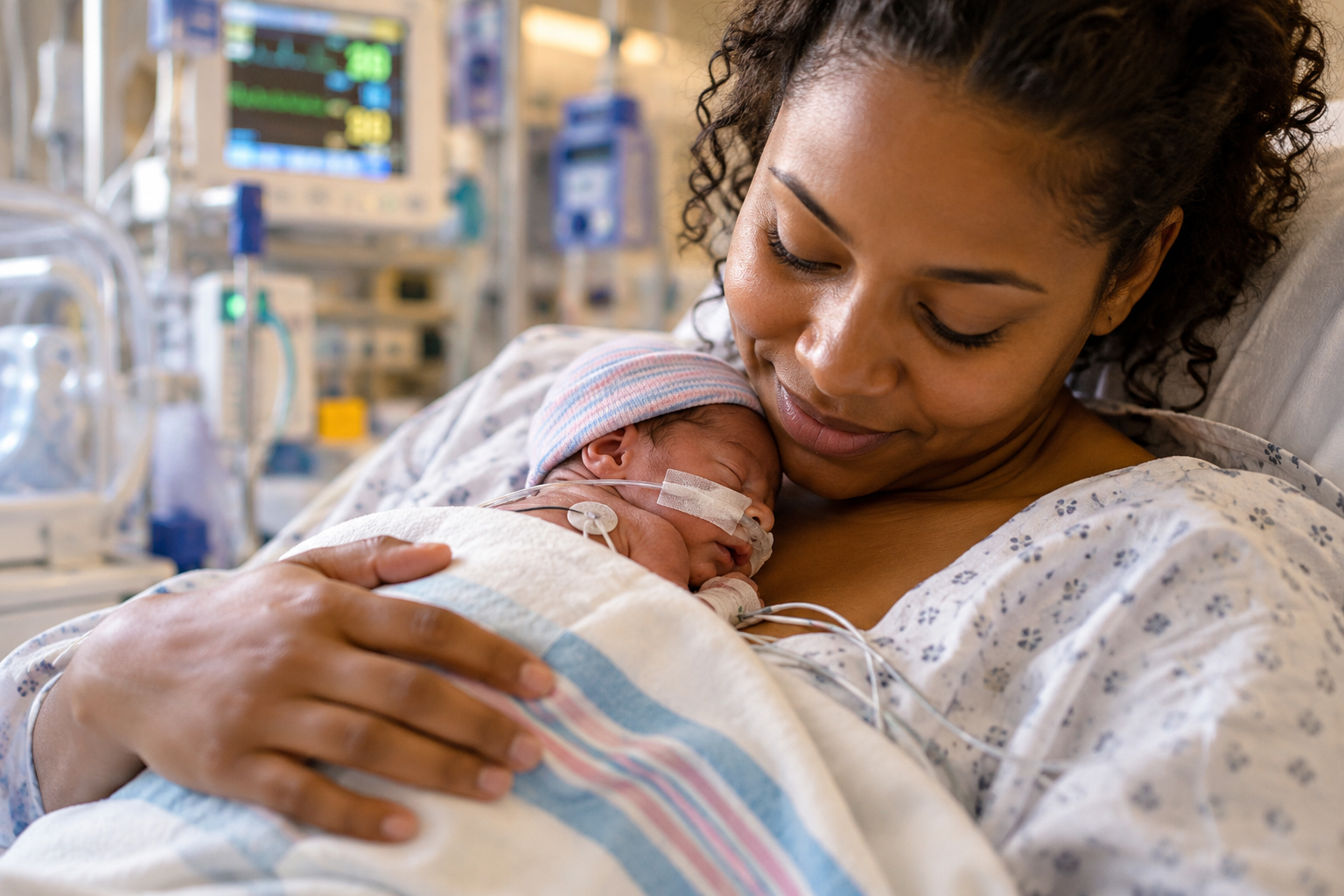
Premature Infants
- Improved feeding behavior and weight gain
- Decreased length of stay
- Decreased respiration and heart rate
- Increased relaxation for parent and child
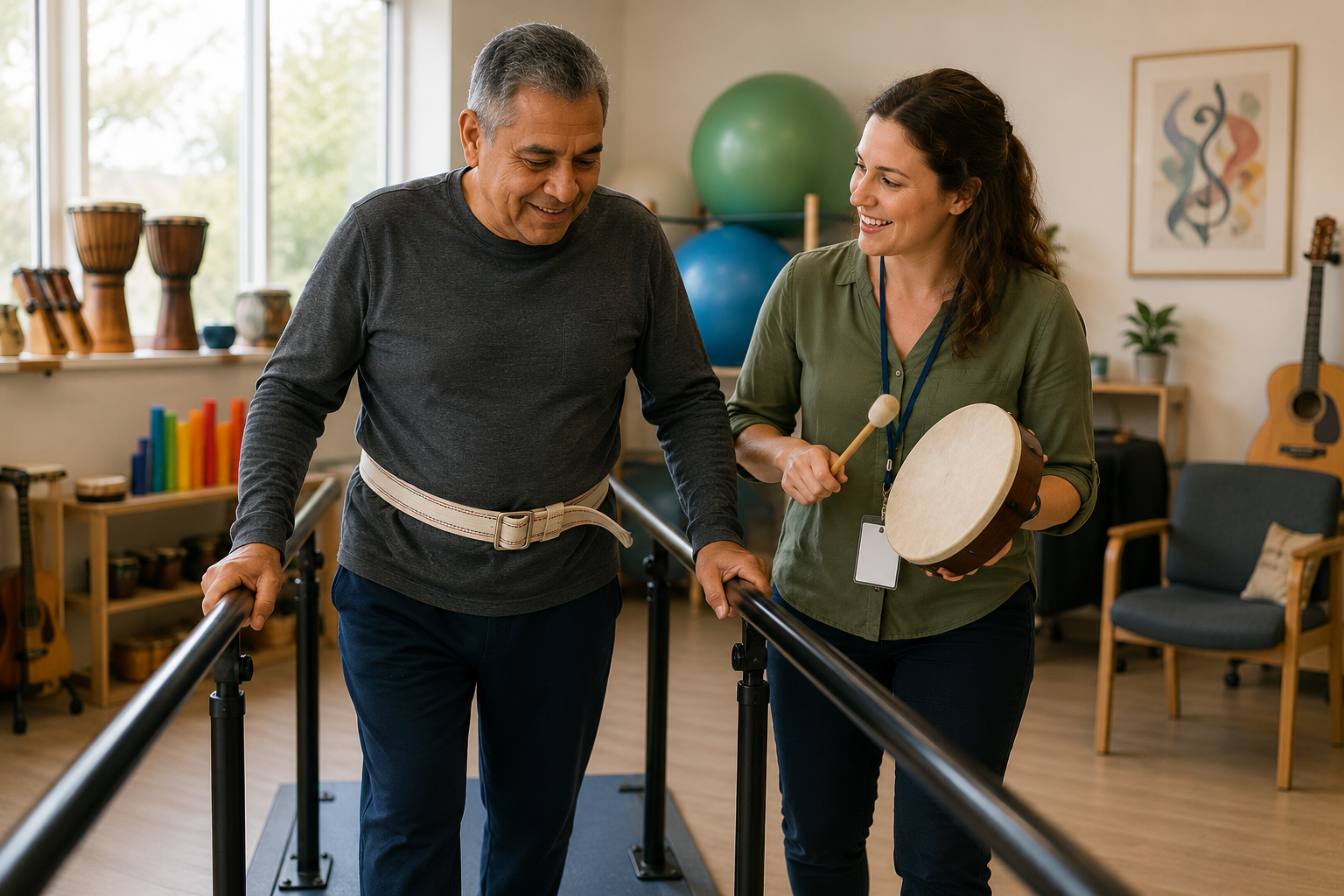
Neurological Disorders & Brain Injury
- Enhanced motor, cognitive, verbal, and/or social-emotional functioning
- Improved gait speed, symmetry, and muscle activation in people with neurologic disorders such as Parkinson’s disease, stroke, and cerebral palsy
- Improved treatment compliance and mood
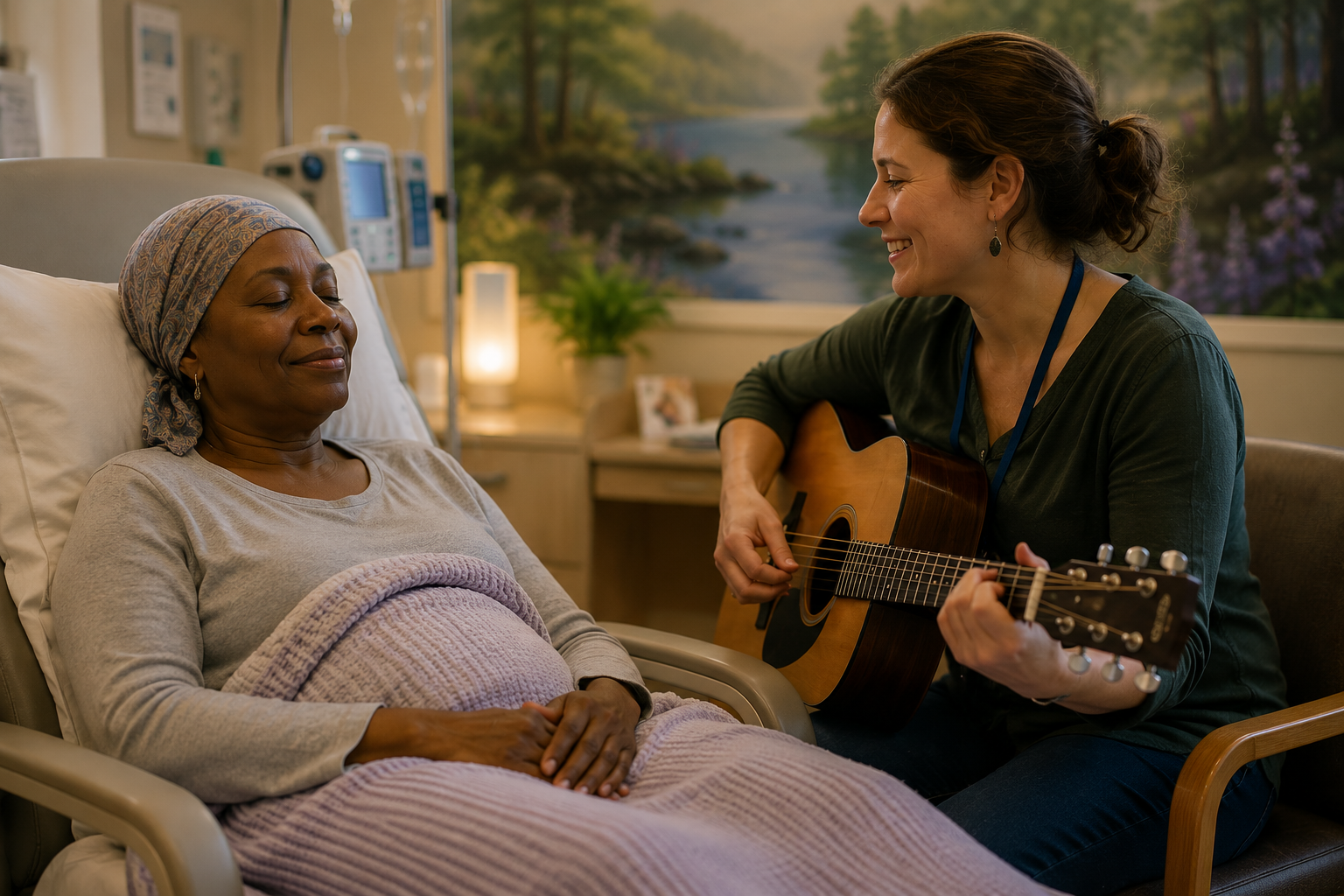
Chronic Illness & Oncology
- Reduced anxiety and decreased pain
- Elevated mood and enhanced quality of life
- Enhanced immune functioning
- Reduced nausea
Mental Health
- Reduced muscle tension
- Increased verbalization
- Successful and safe emotional release
- Improved group cohesiveness

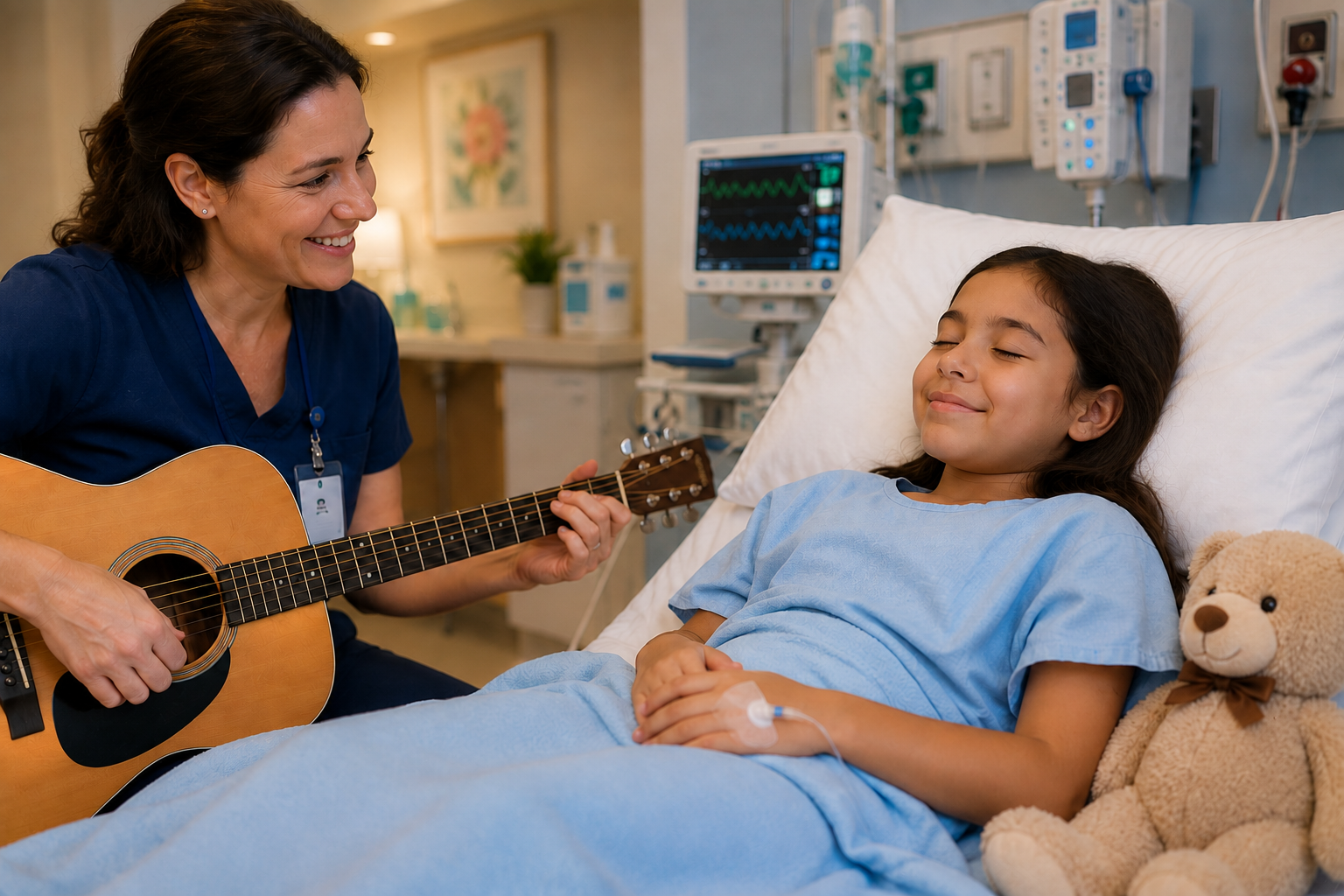
Medical & Surgical Procedures
Music therapy is often used to support patients before, during, or after medical procedures. Clinical outcomes include:
- Reduced stress, lower blood pressure, and improved respiration
- Improved pain management and mood
- Decreased length of hospitalization
- Reduced need for sedation for pediatric patients receiving EEGs, CT scans, and other procedures
Developmental Disabilities & Autism Spectrum
Music therapy helps support communication, sensory processing, and skill development for individuals with developmental disabilities, including autism spectrum disorder. Clinical outcomes include:
- Enhanced auditory processing
- Enhanced sensory-motor skills
- Improved verbal skills
- Improved behavior regulation

Substance Abuse & Addictive Disorders
Music therapy supports recovery by helping individuals build insight, motivation, and healthy interpersonal connections. Clinical outcomes include:
- Improved self-esteem
- Increased motivation
- Improved emotional regulation and coping
- Enhanced interpersonal relationships

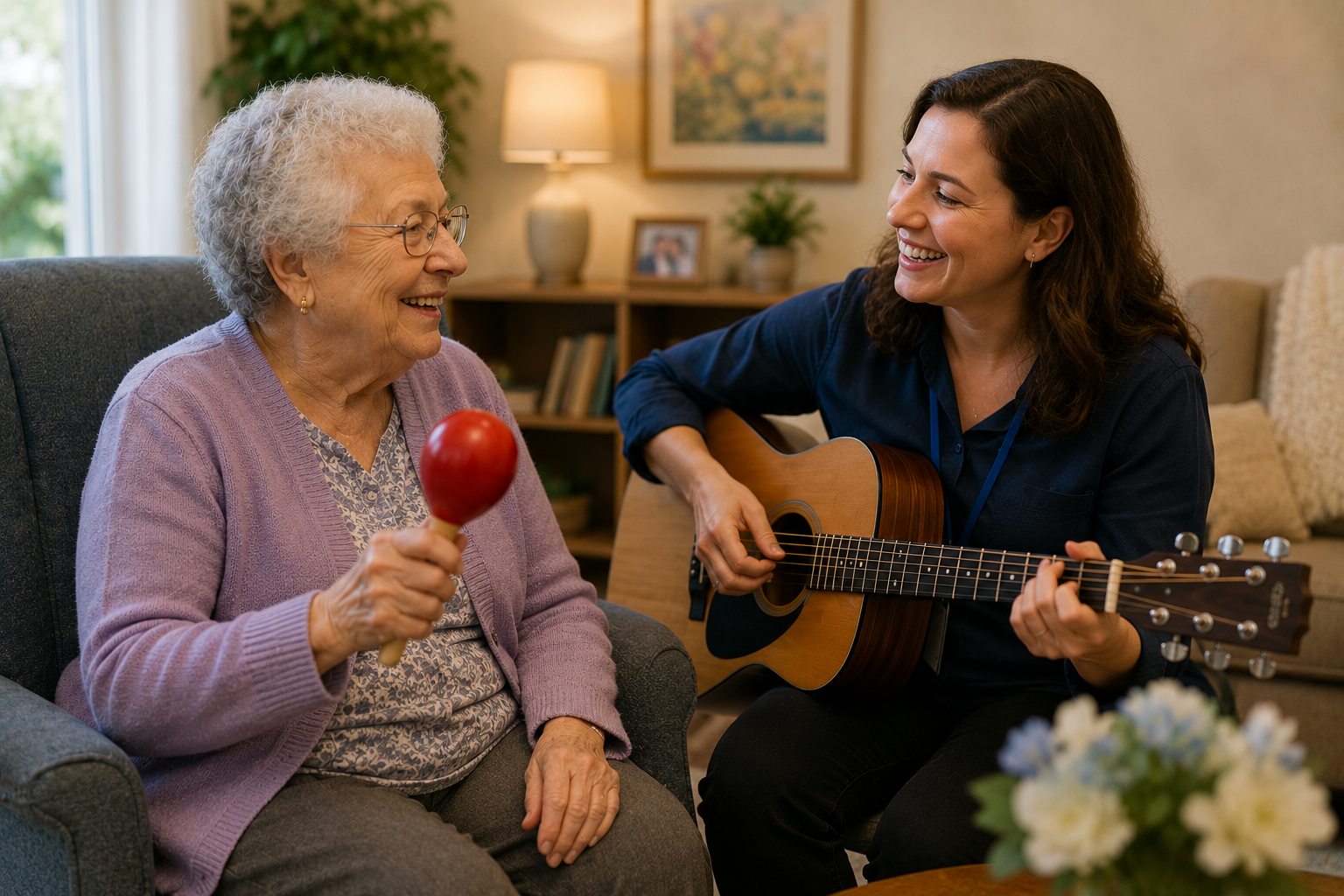
Alzheimer’s Disease & Dementia
For older adults and individuals with memory-related conditions, music therapy helps support engagement, comfort, and connection. Clinical outcomes include:
- Reduced depression
- Improved attention, memory, and motor skills
- Improved emotional regulation
- Increased socialization
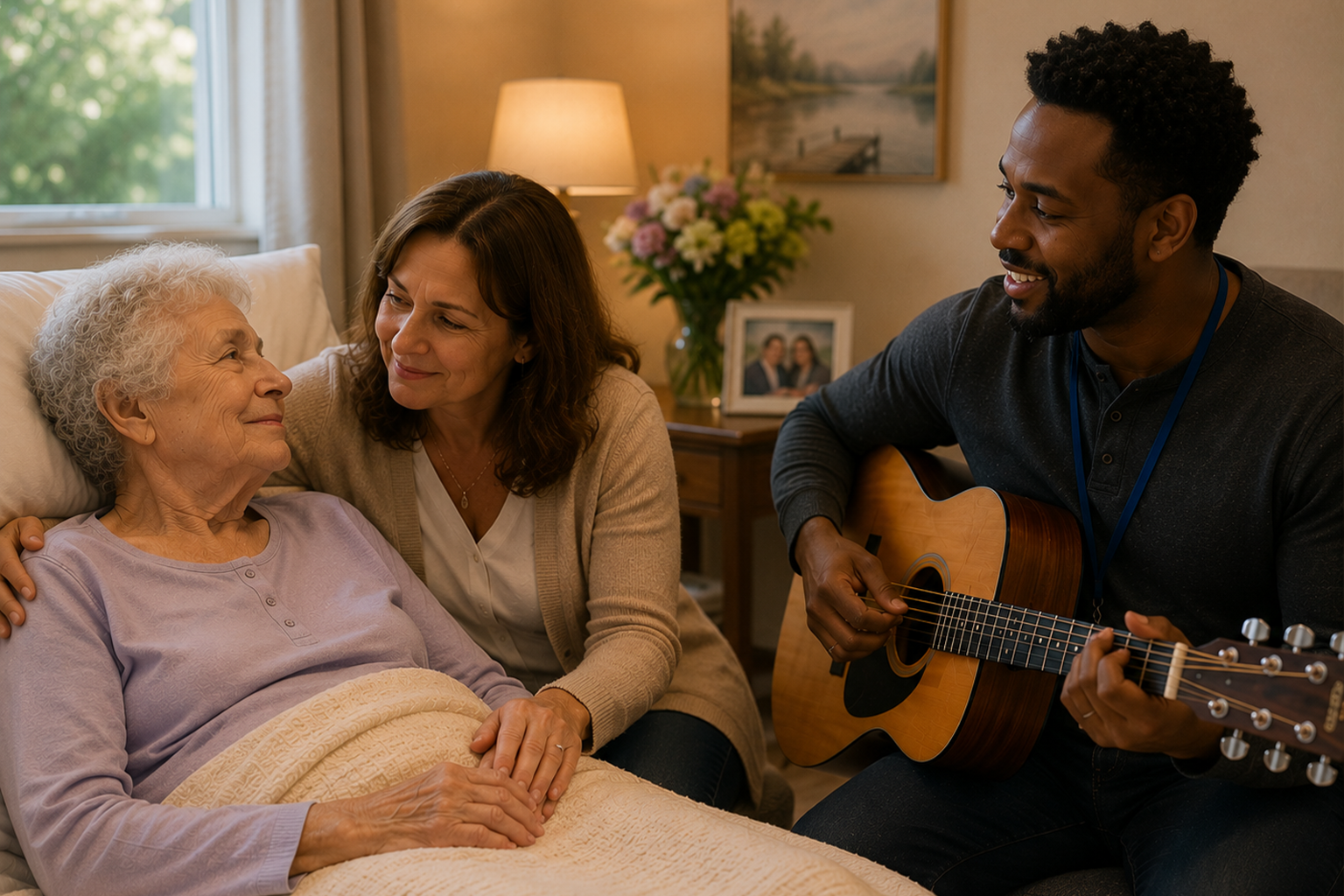
Hospice & Bereavement
- Improved quality of life
- Non-pharmacological pain management
- Meaningful opportunities to interact with family
- Promotion of relaxation
Physical Rehabilitation & Orthopedic Care
- Improved range of motion and mobility
- Enhanced coordination and motor control
- Increased motivation and participation in rehabilitation
- Reduced perception of pain and physical discomfort

Research Initiatives
Music Therapy Research


MTR 2025 Publication
In July 2015, the American Music Therapy Association convened Music Therapy Research 2025 (MTR 2025), a landmark symposium focused on strengthening music therapy research and expanding access, quality, and outcomes of care.
The resulting publication captures the symposium’s discussions, recommendations, research priorities, policy implications, clinical needs, and vision for building a stronger foundation for music therapy research.

MTR 2025 Virtual Collection
In conjunction with the 2025 AMTA Symposium and AMTA’s 75th anniversary, a Virtual Collection of articles from the Journal of Music Therapy and Music Therapy Perspectives was made available through Oxford University Press.
Curated with input from music therapists across the profession, the collection features influential articles and recommended readings reflecting the scholarship and research that have shaped music therapy practice.

MTR 2025 Symposium Supplement
Developed as part of the 2025 AMTA Symposium, this AMTA-U continuing education offering celebrates the culmination of MTR 2025 while highlighting collaborative research and the preparation of future music therapy researchers.
The asynchronous program offers 6 CMTE credits and 3 LCAT credits, is included with AMTA membership, and is available to non-members for $210, providing flexible access to symposium content.